

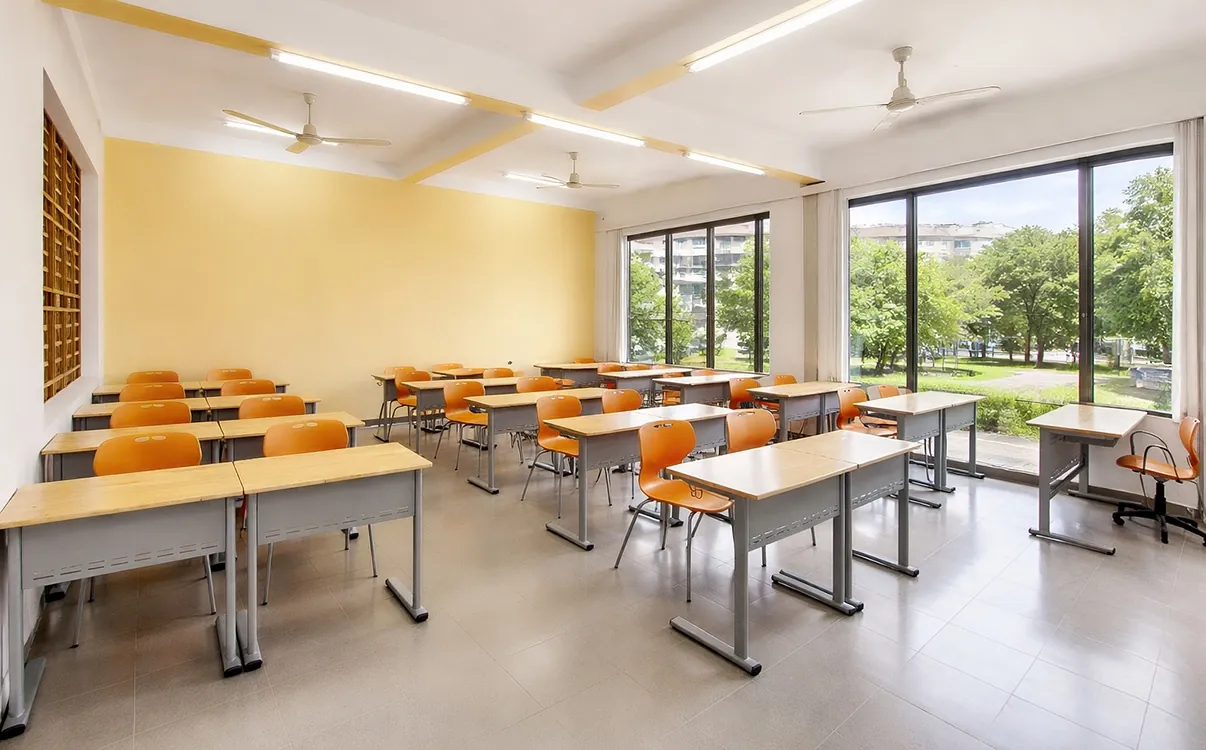
Selecting the right school furniture plays a crucial role in creating a productive, safe, and dynamic learning environment. Desks and chairs do more than just fill a space—they directly affect student posture, focus, and daily comfort. As teaching styles evolve toward collaborative and interactive learning, classroom furniture must also offer flexibility, space efficiency, and long-lasting durability.
This complete buying guide breaks down essential furniture types and key features to help educational institutions make informed purchasing decisions.
1. Essential Types of Classroom Furniture
Ergonomic Single Student Desks & Chairs: Designed for secondary and higher education. Features contoured backrests and smooth writing surfaces to encourage proper posture during long study hours.
Modular / Collaborative Desks: Trapezoidal or curved desks that can easily reconfigure from individual study rows into group clusters or project stations.
Dual Bench & Desk Units: Sturdy integrated desk units ideal for maximizing space in high-density classrooms while offering heavy-duty durability.
Kindergarten & Early Learning Sets: Lightweight, colorful tables and chairs made from non-toxic materials with rounded edges for safe play and active learning.
Teacher Stations & Storage Carts: Lockable mobile storage units and podiums that keep instructional materials organized and easy to access.
2. Key Buying Factors to Consider
| Feature | What to Look For |
|---|---|
| Ergonomics & Health | Contoured lumbar support, correct seat heights, and footrests to reduce fatigue and support healthy posture. |
| Durability & Materials | Powder-coated steel frames and scratch-resistant laminates built for daily high-traffic classroom use. |
| Safety First | Smooth "duck-nose" or rounded corners, non-toxic finishes, and anti-skid floor caps to avoid accidents. |
| Mobility & Flexibility | Lightweight construction or lockable casters allowing fast layout changes for group work or individual exams. |
| Integrated Storage | Built-in book racks, under-desk shelves, and side bag hooks to keep floor space tidy and organized. |
3. Summary
Investing in high-quality classroom furniture creates a comfortable, engaging, and adaptable learning environment. Prioritizing durability, ergonomic design, and safety ensures that your investment continues to benefit students for years to come.